Forensic Differentiation of Lawful Direct Selling and Pyramid‑Style Ponzi‑MLMs: A Risk, Compliance and Governance Framework for Boards, Regulators and CXOs.
Take the landmark case of FTC v. BurnLounge, Inc., 753 F.3d 878 (9th Cir. 2014), where what appeared to be a legitimate MLM was ultimately determined to be a pyramid scheme. This resulted in substantial financial penalties and strict restrictions for the individuals in charge. This case demonstrates that for senior executives, distinguishing between a lawful multi-level marketing company and an illegal Ponzi-MLM is not simply a legal or regulatory matter, but a critical leadership issue with significant personal and professional consequences.
The argument of this essay is that such high-profile cases serve as a decisive reminder that executives must maintain heightened vigilance and robust compliance measures to clearly establish the legitimacy of their direct selling operations.
A Ponzi-MLM can look just like a real direct selling company. The presentations are slick, the titles sound familiar, and everyone talks about “financial freedom.” The difference is that one business sells real products, while the other sells hope, funded by new recruits. The main difference is economic: in an illegal pyramid, people are mainly rewarded for recruiting others, not for selling products to real customers, as U.S. enforcement actions and guidance often point out. In India, the Prize Chits and Money Circulation Schemes (Banning) Act, 1978 bans schemes that promise quick or easy money from joining or chance, instead of from real sales of goods or services. Some argue that distinguishing between a Ponzi-MLM and a legitimate direct selling company is not always straightforward and that enforcement agencies sometimes mistakenly scrutinize genuine businesses operating within the law, leading to unwarranted reputational harm. While this concern highlights the challenges in regulatory interpretation, it underscores the importance of precise legal definitions and consistent enforcement. For executive leaders, these legal distinctions are not only structural features of business models but crucial elements of governance: it is their responsibility to implement compliance and oversight mechanisms that ensure their organizations prioritize genuine product sales to real customers, in line with consumer protection and direct selling rules. In doing so, executives directly influence whether their enterprise operates legitimately or risks being classified as a prohibited scheme.
As direct selling MLM companies expand into international markets, the challenge of ensuring legal compliance grows increasingly complex. Every country has its own rules, priorities, and standards for what makes an MLM legitimate. What is allowed in one country might be illegal or risky in another. To address these varied requirements, executive leaders should establish a global compliance framework supported by a formalized governance structure. This framework should typically consist of a centralized oversight committee with designated regional compliance officers who report to the central body. The global compliance committee is responsible for setting baseline standards and core policies applicable company-wide, while the regional officers monitor and interpret local laws, ensuring the adaptation of global policies for legal alignment in each jurisdiction. Regular coordination meetings, systematic tracking of regulatory developments, and formalized escalation procedures not only ensure both global consistency and necessary local customization whenever national laws diverge, but also directly influence enforcement outcomes. A robust compliance framework heightens an organization’s ability to respond promptly to regulatory actions, reduces the risk of violations that lead to sanctions or penalties, and facilitates cooperative relationships with enforcement authorities. In this way, the framework provides unified standards and structured flexibility for local regulatory environments, while also serving as a mechanism to minimize exposure to enforcement actions and promote sustained legal compliance.
A risk-based governance approach can help leaders focus resources on the highest-risk areas. The top three global compliance risks to prioritise often include:
- Aggressive or misleading earnings claims in marketing and presentations
- Unmonitored cross-border payment flows, which increase exposure to financial crime or sanction risks
- Weak data custody, particularly with personal, payment, or sensitive customer information crossing borders
By systematically identifying and monitoring these critical risks, including aggressive earnings claims, unmonitored payment flows, and weak data custody as outlined in the preceding risk-based governance framework, executives can establish a tiered response plan. In practice, such a plan prioritizes risks based on their severity and likelihood, assigning the highest level of oversight and the most stringent controls to those areas assessed as presenting the greatest vulnerability. For instance, the highest-risk issues, such as persistent misleading earnings claims, might trigger immediate targeted audits, enhanced training, or suspension of specific marketing campaigns until compliance is verified. Medium-level risks could be addressed through periodic internal reviews and reinforced documentation requirements, while lower-level risks may be managed through ongoing monitoring and staff education.
Incorporating regular cross-country compliance reviews within this framework further enables organizations to detect and address weaknesses in procedures or compensation structures as they emerge, ensuring that vulnerabilities are systematically identified and remediated across diverse markets.
Global leadership teams need to be proactive and look at each country’s laws separately. They should work with local legal experts to stay up to date on legal changes, adjust compensation plans as needed, and implement compliance processes that meet the highest standards. Using a central database to track legal changes and enforcement actions in all countries helps keep everyone informed. Industry groups can help by sharing legal updates, compliance tools, and best-practice templates. Regulators, judges, and executives can no longer treat all MLMs the same; a careful, detailed approach is needed.
Executive leaders are crucial in helping their organizations avoid these risks. C-level executives should be transparent about how compensation is determined, conduct regular compliance checks, and require independent audits of sales and recruitment, with the findings presented to the audit committee each quarter to reinforce accountability at the board level.
However, implementing such measures can pose significant challenges, including potential resistance from within the organisation, resource limitations, and difficulties in maintaining consistency across international operations. To show ethical leadership, executives can hold quarterly town-hall Q&A sessions about compensation and sales policies, giving employees a chance to ask questions and observe leadership in practice. Leaders should also review a random sample of sales each month with compliance teams, checking which incentives were given and ensuring product sales go to real customers, not just participants. Acknowledging these barriers, it remains essential to strengthen oversight, foster a culture that values real product sales over aggressive recruiting, and provide clear guidance on ethical direct selling. Strong oversight and clear revenue data help protect the business, its reputation, and consumers.
A simple way to test an MLM is to ask: Is the business selling a real product, or just selling the chance to make money? In a legal direct selling company, money comes from real customers buying products at fair prices. In a Ponzi-MLM, money comes from people paying to join, upgrade, or subscribe, hoping others will do the same. The key question is: if you take away recruitment and the business opportunity, is there still a real retail business left?
To operationalise this, board members and executives can adopt a set of critical questions designed to clarify whether their company is operating a legitimate direct selling business.
Board Question 1: What are our primary revenue sources? Are most revenues derived from product sales to external customers, or from payments from new recruits?
Board Question 2: If we remove all income and incentives directly tied to recruitment or participation in the opportunity itself, do we still have meaningful product sales to external, non-participant customers?
Board Question 3: Have we reviewed sales data over at least the past 4 consecutive quarters or a full year, and can we confirm the percentage of total sales from individuals who do not earn commissions or bonuses? Do we use multi-period analysis to ensure a reliable view of business sustainability and seasonality?
Board Question 4: Do our marketing and training materials focus on product value and realistic earnings, or are they dominated by promises of income and narratives centred on recruitment?
Many practitioners use a simple rule of thumb: if the majority of revenue comes from participants rather than genuine customers, and the business would not remain viable without ongoing recruitment, the risk profile is very high. This is consistent with the emphasis in enforcement guidance that legitimate companies should be driven primarily by sales to retail customers, not by recruitment, and with industry codes of ethics that stress truthful earnings claims and a focus on product sales, proper cancellations and returns. Regulators and judges can use such a checklist to separate genuine product businesses from schemes that depend on endless recruitment.
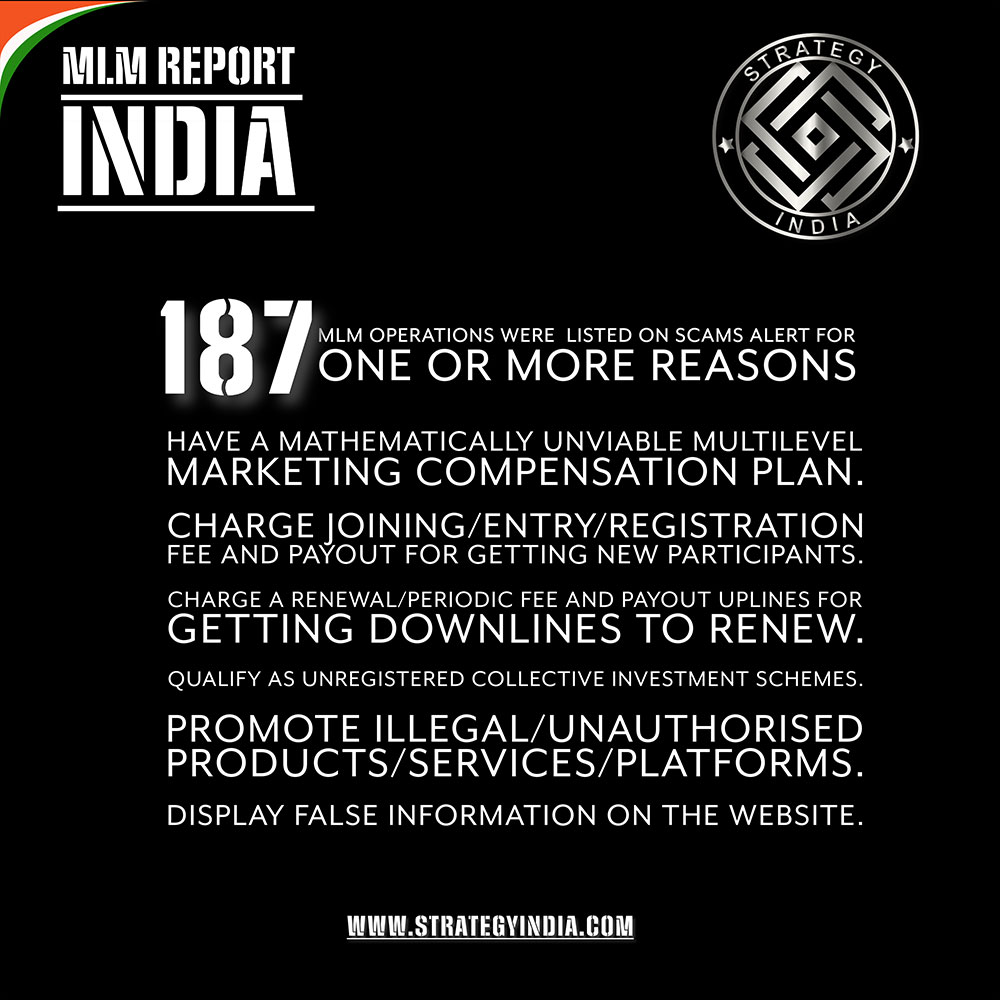
Begin by examining revenue and cash flow patterns, with particular attention to their sustainability over multiple financial periods. A legitimate direct selling company can demonstrate that, over time, the majority of its sales revenue originates from retail customers unaffiliated with the compensation structure, who neither earn commissions nor face pressure to engage in recruitment. For example, companies such as Amway have historically faced regulatory scrutiny but have presented detailed sales records demonstrating that income is primarily generated from sales to external customers, thereby supporting claims of legitimacy. Such companies generate commissions from tangible product profits and maintain consistent retail activity quarter after quarter. Conversely, a Ponzi-MLM typically derives most of its income from joining fees, 'AI bot' subscriptions, trading licenses, nodes, ICOs or educational bundles, which are primarily purchased to secure income entitlements rather than to fulfil genuine consumer demand. By analysing revenue and cash flow across multiple periods, one can assess whether payouts predominantly rely on the continual influx of new participants rather than on sustainable, repeat sales to bona fide customers. If this is the case, the business model lacks long-term viability and instead represents a system of organised money circulation rather than a legitimate enterprise.
Next, focus on the numbers instead of the marketing. Real compensation plans have clear limits: there is a maximum percentage of sales that can be paid out, and the plan still works even if recruitment slows down. Ponzi-MLMs need constant growth. They promise fixed or “conservative” monthly returns, big rank bonuses, or binary payouts that only work if new people keep joining. To check this, test the plan with realistic numbers, including a scenario in which no new participants join or upgrade for at least 3 months. If the system falls apart without new recruits, the problem is built into the plan.
Don’t ignore everyday reality checks. Policy manuals and websites are designed to comply with legal rules, but Zoom calls, WhatsApp groups, and Telegram channels often reveal what is really happening. In real businesses, people talk about product use, service quality, realistic earnings, and compliance. In Ponzi-MLMs, you often see wallet screenshots, “guaranteed” returns, displays of luxury items, and high-pressure lines like “if you miss this, you will regret it for life.” Courts and regulators now accept this kind of content as genuine evidence of what is happening. These informal channels should be treated as important evidence, not just background noise.
Because this kind of material can be crucial, organisations should have a simple process for saving it: take screenshots with the date, time, participant names, and group details; keep full conversation threads when possible; store them in secure, tamper-proof formats; and keep a log with the source, platform, and context. Compliance or legal teams, with help from IT or information security, should manage this process and make sure storage is secure and that authentication tools are used. Once evidence is collected, concerns should be reported through a clear chain of responsibility to compliance officers and general counsel, and, if needed, to regulators, with full cooperation during any investigation.
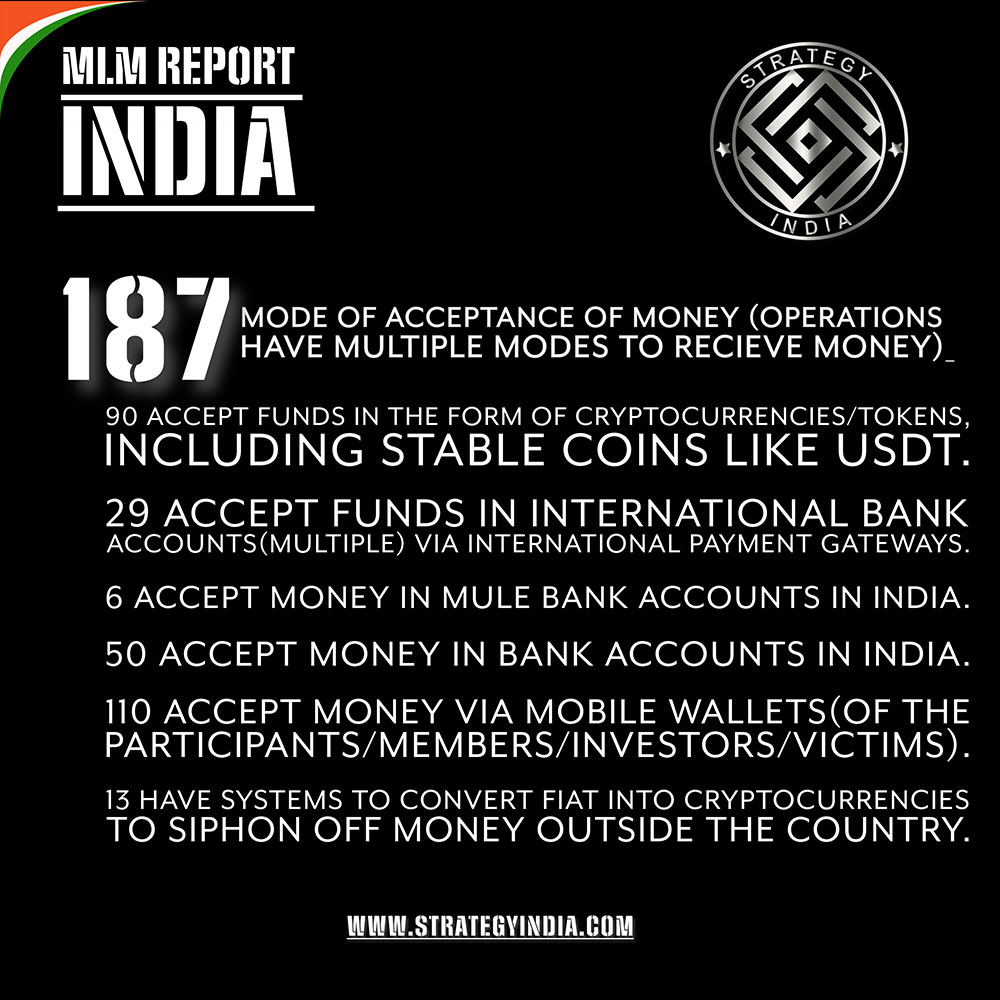
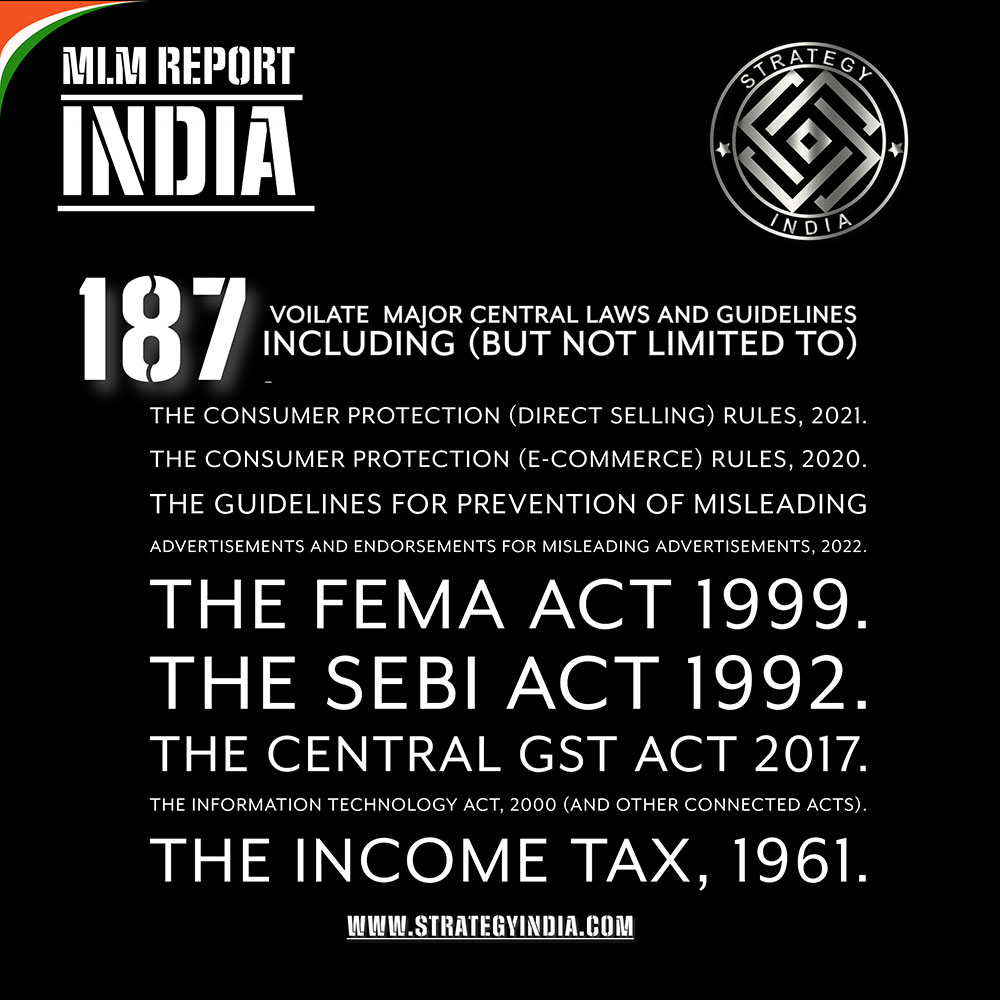
Regulatory fit is also important. If a scheme looks and acts like an investment such as forex, crypto, nodes, staking, arbitrage, or pooled “AI trading” with promised returns it falls under securities, CIS, forex, or digital asset rules, though the exact authority depends on the country (like the SEC in the U.S., FCA in the UK, or SEBI in India, sometimes with other agencies). Real businesses get the right licenses or avoid these activities. Ponzi-MLMs often operate in grey areas: foreign companies, payment gateways under other names, USDT-only deposits, and bank accounts that change frequently. The more complex and hidden the setup, the clearer the operator’s intentions usually are.
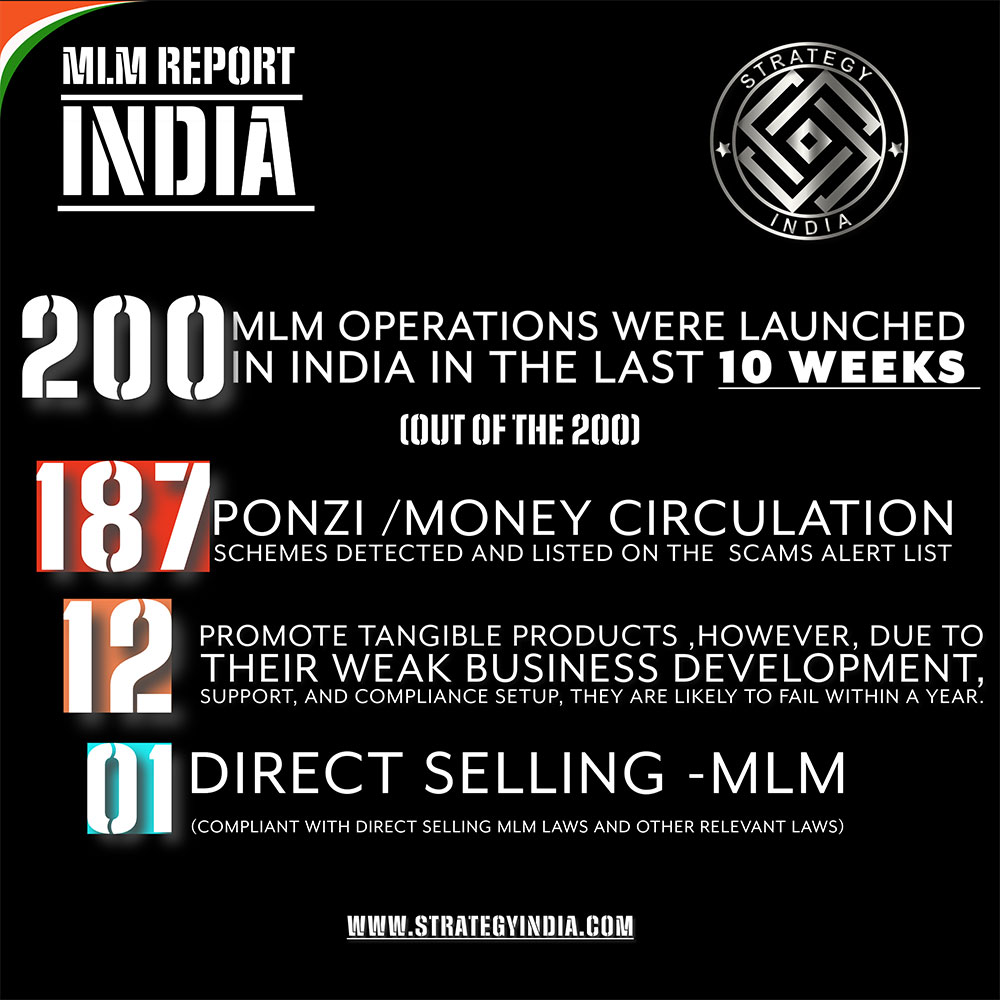
Finally, organise the business’s life cycle. Real direct selling companies show steady operations: they create products, improve services, handle customer complaints, and plan for long-term growth. Ponzi-MLMs tend to repeat the same cycles. To study this, gather data on each scheme’s start and end dates, products, and promoters. Make a timeline showing each scheme, how long it lasted, and who was involved. Mark key events like product launches, regulatory actions, and sudden shutdowns. Watch for patterns such as the same people launching new schemes, short lifespans, and rebrands when money slows or scrutiny increases. This helps uncover risks and connections that are not obvious on the surface.
In light of the preceding analysis and argument that executive vigilance and robust compliance are essential to distinguishing legitimate direct selling enterprises from prohibited Ponzi-MLMs, the practical next steps for decision-makers are clear and systematic:
- Demand transparent, detailed sales data that clearly separates retail customers from participants.
- Regularly run payout simulations and stress‑test compensation plans for sustainability without continuous recruitment.
- Require independent audits and compliance checks of sales and recruitment practices.
- Examine marketing and training materials to ensure they are product‑centred and compliant.
- Periodically review informal staff communications for signs of prohibited earnings claims or recruitment‑centric messaging.
- Use established regulatory principles and industry codes as benchmarks when setting internal thresholds and controls.
By following these steps, executives can spot high-risk practices, improve compliance, and build strong, defensible direct-selling businesses. Once solid evidence is gathered, regulators and judges can act through focused investigations, asset freezes, sanctions, and clear warnings to consumers. Industry groups can enforce standards by suspending or expelling violators and making public notices.
Together, this data-driven, careful approach protects consumers, supports honest businesses, and builds trust in the wider market.