The Moment of Realisation: You've Been Scammed
The WhatsApp or Telegram group has gone silent. The "mentor" who promised 5-20% monthly returns isn't answering calls. The trading app shows your balance, but withdrawal requests remain "pending" for weeks. The office address on the website points to an empty floor in a commercial building, or there is no evidence of the company ever being there. Your recruiter, often a friend or family member, is now avoiding you.
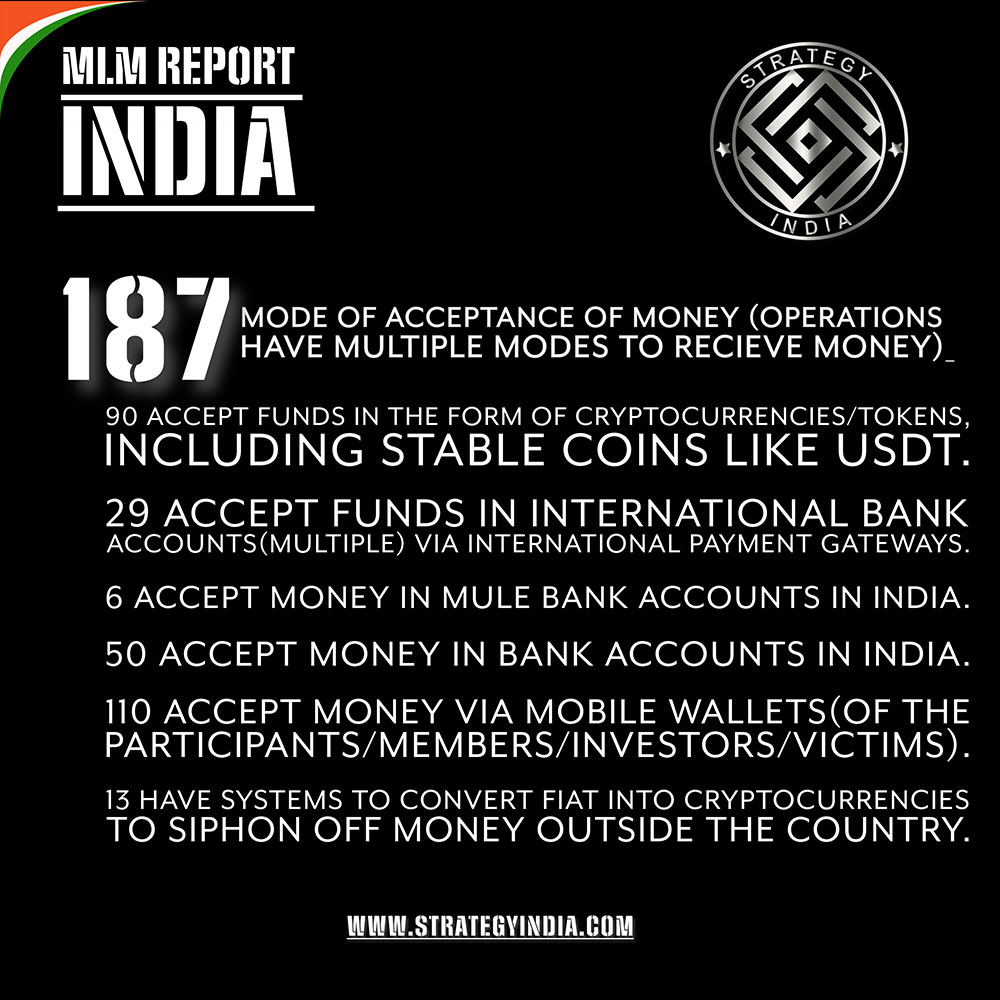
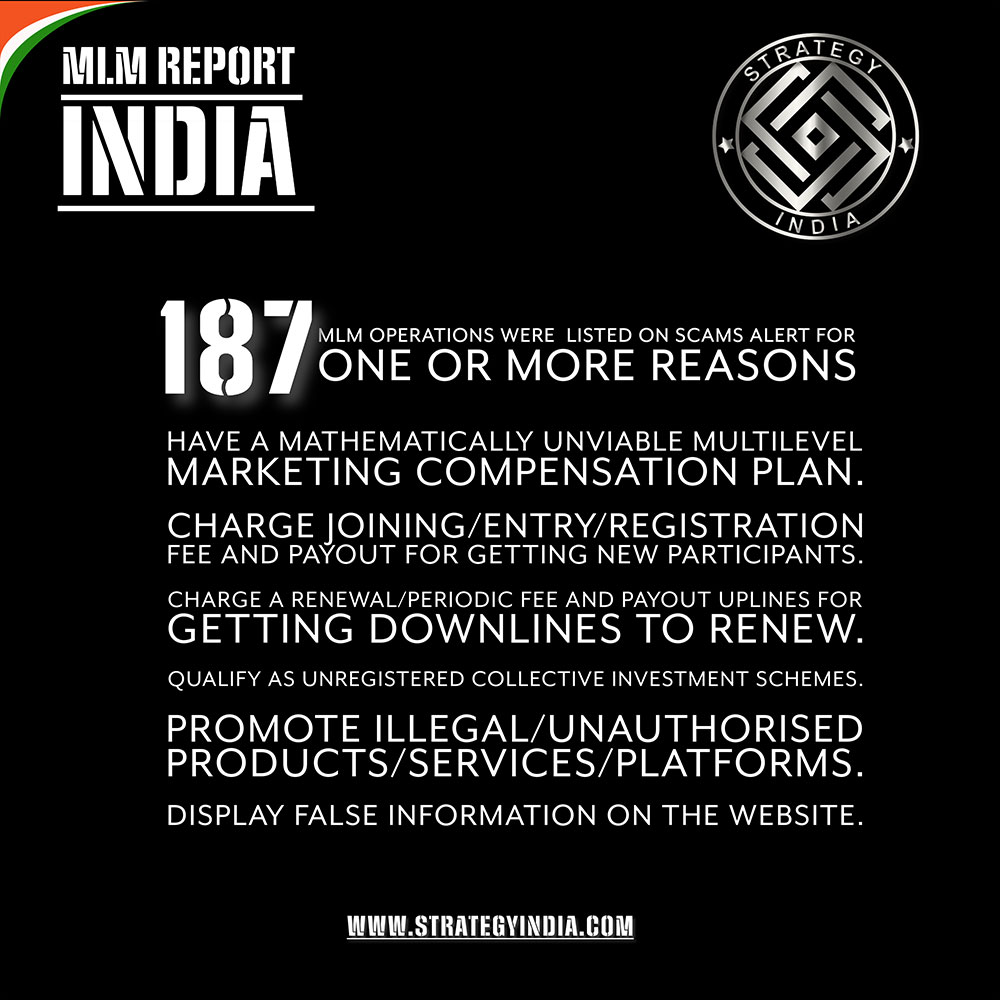
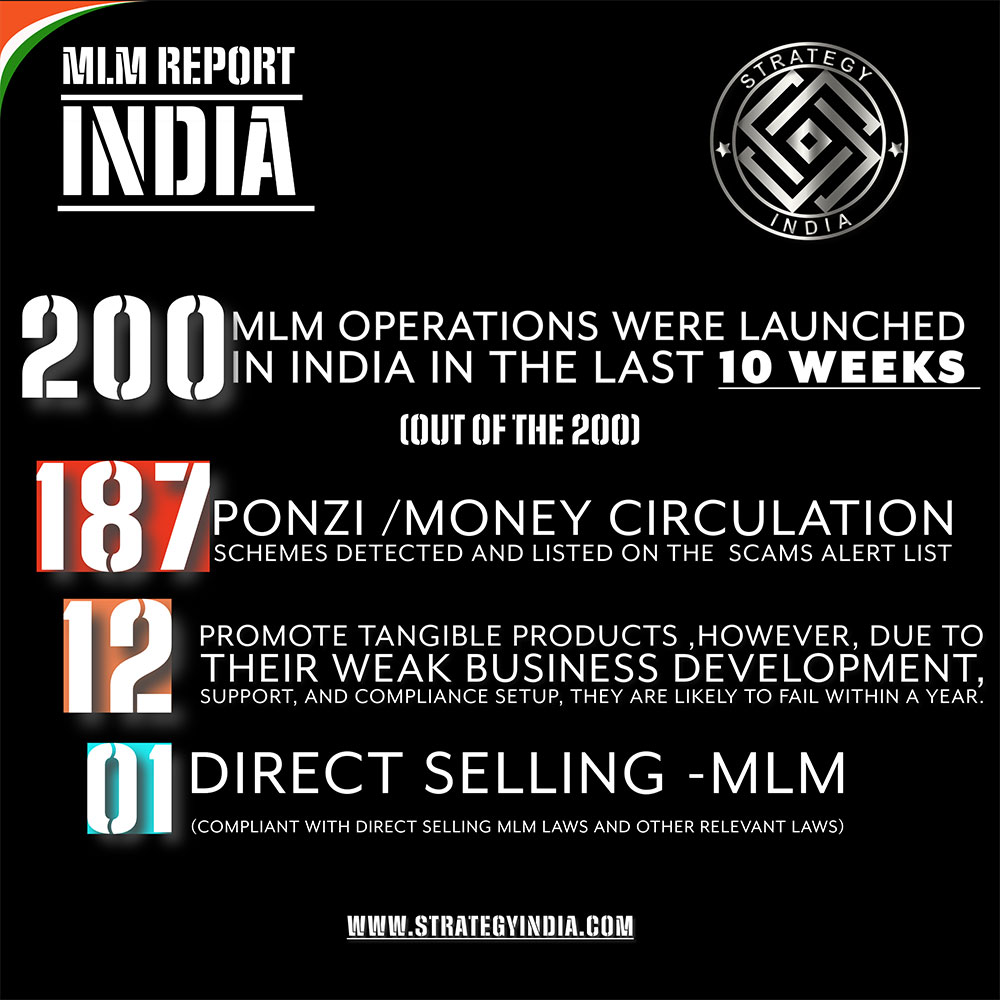
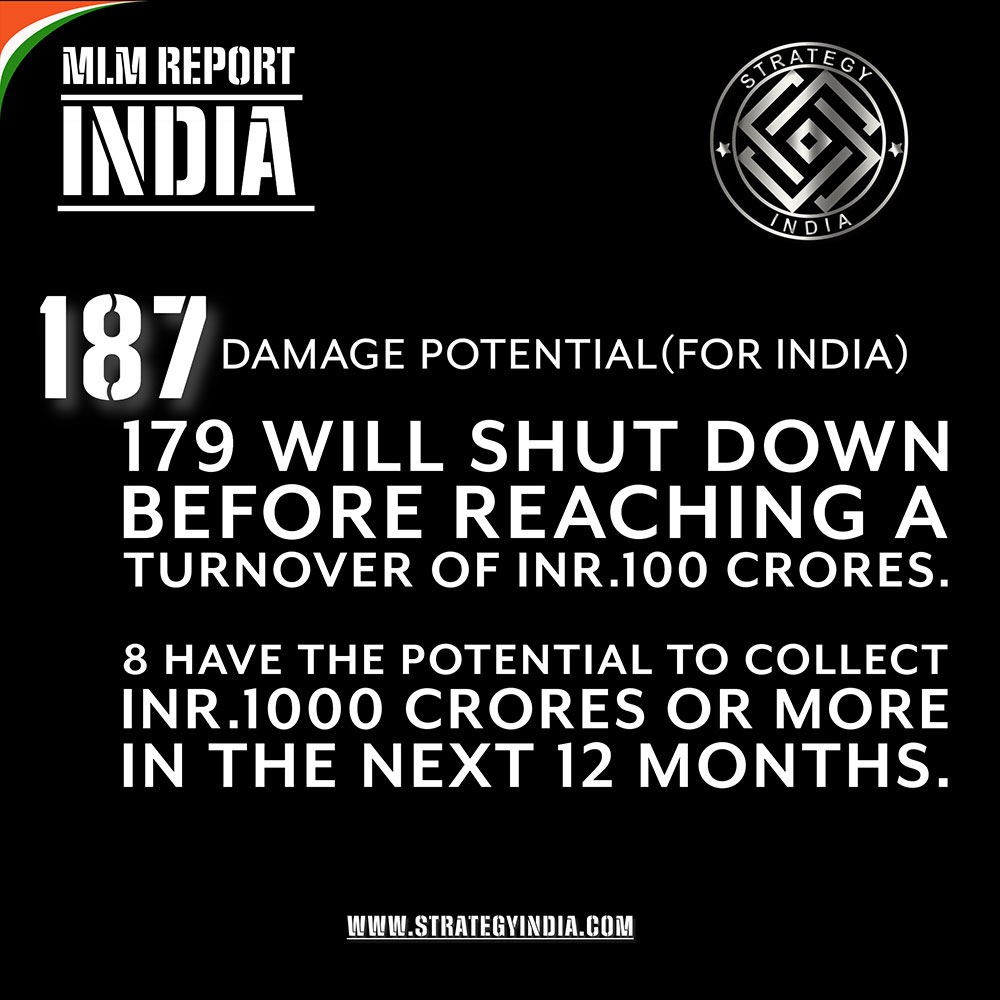
This is the moment victims of MLM pyramid schemes realise they've been defrauded. In India, this realisation comes to millions, often too late. Since 2007, over 5,200 MLM scams have been identified, with 808 new scams detected in 2025 alone amongst 900 MLM operations launched. The financial devastation runs into thousands of crores, but the emotional and social cost is incalculable.
For law enforcement agencies and victims, understanding what happens after the scam and what immediate actions can preserve evidence, maximise recovery chances, and prevent further victimisation is mission-critical.
Why Victims Don't Complain: The Silence That Enables Fraud
Before we discuss what victims should do, we must understand why most victims don't act. Strategy India's 18 years of fraud investigation experience reveals systematic barriers that keep victims silent:
- Shame and Self-Blame
Victims internalise failure, believing they were foolish or greedy. MLM schemes deliberately cultivate this through training that teaches "you didn't work hard enough" or "you didn't recruit aggressively enough." This psychological manipulation prevents victims from recognising that they were structurally defrauded. - Fear of Police Harassment
Many victims fear that approaching the police will result in their own interrogation, particularly if they recruited others. The victim-perpetrator paradox, where victims simultaneously recruit downlines, creates legal ambiguity that scammers exploit to discourage complaints. - False Hope of Recovery
Promoters and upline participants often promise that "payments are delayed" or "the company is restructuring." They encourage victims to reinvest in a "new MLM opportunity" to recover previous losses, a tactic that transforms victims into repeat targets. - Social Ostracism
When scams target community networks, religious groups, ethnic communities, and professional associations, filing complaints means publicly admitting you were defrauded and that you recruited family or friends who also lost money. The social cost of disclosure can exceed the financial loss. - Use of Undisclosed Funds (Black Money)
If victims invested using cash or undisclosed income to avoid taxation, they hesitate to file complaints for fear of income tax scrutiny or money laundering investigation.
The Fraudsters' Playbook: 12 Tactics to Silence Victims and Delay Justice
What most victims don't realise is that preventing complaints is a core operational strategy for MLM Ponzi/pyramid scheme promoters. Based on 18 years of fraud investigation and thousands of documented cases, these are the systematic tactics fraudsters deploy:
- Defamation Notices and Legal Intimidation
The Tactic: The moment a victim speaks publicly about the fraud (social media posts, YouTube videos, blog articles), promoters deploy legal teams to issue defamation notices demanding ₹1–5 crore in damages. These notices are designed to terrify victims into silence, even though most are legally baseless.
Real Case Example: A whistleblower who exposed a ₹500 crore MLM scam received a ₹1 crore defamation notice from the promoters, followed by a blackmail complaint filed against him by Pune Police, allegedly influenced by political leaders connected to the scheme. The victim's website was forced offline, and he faced police harassment despite exposing documented fraud.
Why It Works: Victims lack legal resources to defend defamation suits. The mere threat of a ₹5 crore lawsuit, even if frivolous, creates paralysing fear. Fraudsters know most victims cannot afford to hire advocates or travel to distant courts where cases are filed.
Law Enforcement Note: Fake advocates or lawyers often issue these defamation notices with no intention of filing actual suits. Verify advocate credentials through State Bar Council records. Defamation is a civil matter, not a criminal one. Victims cannot be arrested for exposing fraud. Encourage victims to file counter-complaints for criminal intimidation (IPC Section 506).
- Counter-FIRs and Blackmail Allegations
The Tactic: When victims file FIRs against promoters, the promoters immediately file counter-FIRs accusing victims of blackmail, extortion, or defamation. This creates legal confusion by deliberately blurring the roles of victim and accused.
How It Operates: Promoters approach police, claiming the victim demanded money to "not file complaints" or "delete negative posts." They present selectively edited WhatsApp chats or fabricated screenshots as "evidence" of extortion.
Why It Works: Police, unfamiliar with Multilevel Marketing fraud patterns, see "two parties with conflicting complaints" and adopt a "civil dispute" frame rather than recognising systematic criminal fraud. Victims are then forced to defend themselves against blackmail charges whilst their original fraud complaint languishes.
Law Enforcement Note: Counter-FIRs are a signature tactic in MLM fraud cases. When a fraud complaint and a simultaneous counter-complaint of blackmail appear, investigate the fraud allegation first. Check if the accused company appears in Strategy India's scam alert database or has multiple similar complaints across jurisdictions. This indicates systematic fraud, not an individual civil dispute.
- Manipulating Downline Victims to File Complaints Against Upline Participants
The Tactic: Promoters exploit the victim-perpetrator paradox by encouraging downline victims to file complaints against their immediate upline recruiters/investors rather than against the company or top promoters.
How It Operates: Company representatives approach victims and say: "Your upline deceived you by making false income promises. We don't allow such behaviour. You should file a complaint against your recruiter, and we will support your case."
Why It Works: This tactic creates internal warfare amongst victims, demoralising collective action. Downline victims file complaints against upline participants (who are themselves net losers), whilst the actual promoters and top beneficiaries remain untouched. It fragments victim groups and prevents unified complaints against the company.
Law Enforcement Note: When multiple FIRs are filed with victims naming other participants (not company executives or promoters), this indicates internal manipulation. Focus the investigation on company founders, directors, and the top 1–5% of beneficiaries who designed the compensation structure and controlled funds, not on mid-level participants who recruited but lost money.
- False Promises of Restructuring and "Recovery Plans"
The Tactic: When withdrawal requests pile up, and complaints begin, promoters announce a "company restructuring," "system upgrade," or "migration to a new platform." They promise victims that funds are safe, and withdrawals will resume after the "technical issue" is resolved.
How It Operates: Victims receive messages like:
- "Due to regulatory compliance, we are migrating to a new blockchain. Your funds are secure."
- "Government agencies are investigating us unfairly. Once we clear our name, withdrawals will restart."
- "We are launching a new company. Transfer your balance to the new platform to continue earning."
Why It Works: Victims in denial cling to hope that their investment isn't lost. The "sunk cost fallacy" prevents them from filing complaints, as they believe that cooperating with the "restructuring" is the only way to recover funds. Meanwhile, promoters use this time to convert remaining assets into crypto, move funds offshore, and delete digital evidence.
Enforcement Note: "Restructuring" announcements following mass withdrawals are red flags for an imminent collapse. Immediately freeze bank accounts, hosted crypto wallets, and related accounts, attach assets, and arrest promoters. Within 48–72 hours of such announcements, funds are typically converted to cryptocurrency or wire-transferred abroad.
- Launching "Recovery Schemes" Targeting Existing Victims
The Tactic: Top beneficiaries and promoters launch new MLM schemes specifically targeting victims of their previous scams, promising that "this time it's legitimate" and that they can "recover previous losses" by reinvesting.
Objective Case Evidence: Strategy India investigations reveal that top beneficiaries of collapsed schemes have launched new MLM operations with a similar modus operandi to keep their downlines engaged and prevent complaints. Some top beneficiaries have absconded whilst simultaneously promoting new schemes via Telegram and WhatsApp groups.
Why It Works: Victims desperate to recover losses are psychologically vulnerable to promises that "the old company had problems, but this new one is registered and compliant." They reinvest, transforming from single victims into repeat victims, a phenomenon Strategy India terms "Ponzi Zombies."
Law Enforcement Note: Track promoters and top beneficiaries across multiple schemes. When individuals appear as top earners in 2–3 successive MLM operations (especially after complaints/FIRs in previous schemes), this indicates habitual fraud. File charges under Section 120A IPC (criminal conspiracy) and GPTOC - Gujarat Protection from Organised Crime Act/ MCOCA - Maharashtra Control of Organised Crime Act for organised fraud networks.
- Conversion to Cryptocurrency for Evidence Destruction and Asset Protection
The Tactic: Fraudsters immediately convert collected funds into cryptocurrency (Bitcoin, USDT, Ethereum) and move them to unhosted wallets (wallets without KYC/AML tracking) to obstruct asset recovery.
How It Operates:
- Victims deposit money into "mule" bank accounts (accounts opened in third-party names)
- Within 24–48 hours, funds are withdrawn as cash or transferred to cryptocurrency exchanges.
- Cryptocurrency is purchased and immediately moved to unhosted wallets or mixers (services that anonymise transaction trails)
- Funds are then laundered through hawala operators, Full Fledged Money Changers (FFMCs), or wire-transferred to Dubai, Singapore, or other jurisdictions
Why It Works: By the time FIRs are filed and bank accounts are frozen, funds have already been converted to untraceable crypto. Even if police seize devices, private keys to unhosted wallets are stored offshore or memorised, making asset recovery virtually impossible.
Law Enforcement Note: Cryptocurrency laundering requires specialised digital forensics. Immediately contact the Enforcement Directorate for PMLA (Prevention of Money Laundering Act) investigation. ED has successfully attached ₹290 crore in a recent MLM case by tracing crypto wallet transactions, identifying cryptocurrency exchanges used, and freezing linked bank accounts before offshore conversion.
- Exploiting Corruption and Bureaucratic Delays
The Tactic: Promoters leverage corruption networks to delay FIR registration, obstruct investigations, and manipulate procedural requirements to exhaust victims' resolve.
How It Operates:
- Police refuse FIR registration, demanding "complete documentation" (company MOA/AOA, director Aadhaar cards, full organisational chart), documents that victims cannot obtain.
- FIRs are filed under "wrong sections" (only under IPC 420 and IT Acts) rather than under the Prize Chits and Money Circulation Schemes (Banning) Act, BUDSA 2019, or PMLA, weakening the legal foundation.
- Investigations drag on for months/years, with repetitive questioning of the victim, but no action against the accused
- Accused are granted bail repeatedly, and frozen assets are unfrozen after promoters file discharge applications citing "civil dispute"
Objective Case Evidence: In a multi-state MLM fraud flagged by Strategy India in July 2021, police conducted preliminary enquiries in April 2022, but an FIR was registered only in August 2024, a 2.5-year delay. During this period, promoters operated freely, laundering funds through 200+ bank accounts and moving assets offshore.
Why It Works: Victims, exhausted by bureaucratic runarounds and procedural delays, eventually abandon complaints. Many believe "the system is against me" and accept the loss.
Law Enforcement Note: Senior officers (IPS) must monitor MLM fraud complaints through the Economic Offences Wing dashboards. When complaints involve multi-state victim populations, immediately constitute Special Investigation Teams (SITs) and coordinate with the ED that has access to NATGRID. Early FIR registration and swift asset attachment (within 7 days of the complaint) are critical to prevent delays that could lead to evidence destruction and asset dissipation.
- Intimidation Through Physical Threats and Harassment
The Tactic: Victims who persist in filing complaints receive threatening phone calls, visits to their homes, and veiled warnings about harm to family members.
How It Operates:
- Upline participants or hired intermediaries visit victims' homes, offering "deals" to pay a lower amount to drop the complaint.
- Victims receive calls saying, "It's not safe for you to continue this complaint" or "Think about your family before proceeding"
- In extreme cases, victims are physically assaulted (documented in a Kerala case where 10 MLM company members were arrested for attacking three whistleblowers)
Why It Works: Fear for personal safety and family well-being trumps financial loss. Victims withdraw complaints rather than risk physical harm.
Law Enforcement Note: Intimidation of complainants is a separate criminal offence under IPC Sections 503 (criminal intimidation) and 506 (punishment for criminal intimidation). When victims report threats, immediately provide police protection and file additional FIRs for intimidation. This also strengthens the primary fraud case by demonstrating organised criminal behaviour.
- Non-Disparagement and Gag Clauses in Distributor/Direct Seller Agreements
The Tactic: MLM companies embed non-disparagement clauses in member contracts prohibiting participants from making "negative statements" about the company, products, or compensation plan, with penalties of ₹5–10 lakh for violations.
How It Operates: When victims attempt to file complaints or post negative reviews, companies cite breach of contract and threaten legal action for "violating confidentiality and non-disparagement obligations."
Why It Works: Victims believe they are contractually bound to silence and fear additional financial liability from breach-of-contract suits.
Law Enforcement Note: Non-disparagement clauses that prohibit victims from reporting fraud to authorities or speaking truthfully about their losses are void under the Indian Contract Act (contrary to public policy). The FTC in the United States has proposed rules prohibiting MLMs from using gag clauses. Educate victims that they have an absolute right to file complaints and speak truthfully about their experiences, and no contract can override this right.
- Exploiting the "Independent Contractor" Defence
The Tactic: When complaints are filed, MLM companies argue that victims are "independent contractors" (not employees or customers), and that fraudulent claims were made by rogue distributors acting outside company policy, deflecting liability from the company to individual participants.
How It Operates: Companies present distributor agreements stating, "Distributors are independent contractors. The company prohibits income claims and misleading representations. Any violations are the fault of the individual distributor."
Why It Works: Police, unfamiliar with MLM structural dynamics, accept this defence and either drop investigations or pursue only individual recruiters (who are themselves victims) rather than company executives, the promoters, or the top beneficiaries.
Law Enforcement Note: The "independent contractor" defence is a systematic liability evasion tactic. Investigate whether:
- The company's compensation structure itself is mathematically unsustainable (making fraud structural, not individual)
- Top company executives and leaders made exaggerated income claims in official training events (provable via archived videos/recordings)
- The company tolerated or encouraged misleading claims by failing to enforce its own policies (evidence: no distributors were terminated for policy violations despite widespread mis-selling)
If these conditions exist, the fraud is organisational, not attributable to rogue individuals.
- Psychological Manipulation: Blame-the-Victim Narratives
The Tactic: MLM training culture systematically teaches that failure is the victim's fault, not the company's. Victims are told they "didn't work hard enough," "weren't coachable," or "had a negative mindset."
How It Operates: Before collapse, victims are immersed in motivational content emphasising that "only quitters fail" and "success requires perseverance." When the scheme collapses, victims internalise this messaging and blame themselves rather than recognising they were structurally defrauded.
Why It Works: Victims experiencing financial devastation are psychologically vulnerable. Blaming themselves reduces cognitive dissonance (accepting they made a "bad decision" is easier than admitting trusted individuals deceived them). This self-blame prevents them from filing complaints.
Law Enforcement Note: When interviewing MLM fraud victims, explicitly state: "This was not your fault. A fraudulent operation deceived you. Your complaint helps prevent future victimisation." Victim advocacy and psychological framing are critical to overcome self-blame and encourage reporting.
- Absconding and Jurisdiction Shopping
The Tactic: Promoters and top beneficiaries abscond to foreign jurisdictions (Dubai, Singapore, Seychelles, UAE) that have weak extradition treaties with India, making arrest and prosecution nearly impossible.
How It Operates:
- Promoters operate schemes from India but establish shell companies in the UAE, Seychelles, and the BVI (British Virgin Islands)
- When complaints mount, they immediately fly to Dubai (no extradition treaty for financial crimes)
- They continue promoting new MLM schemes via Telegram, Zoom, and WhatsApp from abroad, protected by jurisdictional barriers.
Objective Case Evidence:In a documented case, a US citizen and ex-Marine (key mastermind) and an Indian associate absconded whilst a third promoter remains in judicial custody. Despite being in custody since 2023, the jailed promoter was accessing social media platforms as recently as April 2025, indicating that even imprisonment does not entirely stop operations.
Why It Works:Indian law enforcement faces significant delays in responding to international legal assistance requests (mutual legal assistance treaties, red corner notices, extradition proceedings). By the time arrest warrants are processed, promoters have dissipated assets and started new operations.
Law Enforcement Note: Immediately issue Look Out Circulars (LOCs) at all airports/ports when MLM fraud complaints are filed against promoters with multi-crore collections. Coordinate with Interpol for red corner notices. Request passport impoundment through the courts to prevent absconding.
Immediate Steps for Victims: The First 72 Hours Matter
When you realise you've been scammed, speed is critical. The faster you act, the higher your chances of evidence preservation, asset recovery, and prosecution support. Here's your action plan:
STEP 1: Stop All Further Payments Immediately
- Cease deposits: Do not send any more money, regardless of promises that "one final payment will unlock your withdrawal."
- Block communication: Stop responding to upline messages, group chats, or phone calls from promoters.
- Do not invest in "recovery schemes": Fraudsters often launch secondary scams targeting victims with promises to "recover your lost funds for an upfront fee." This is a repeat scam
STEP 2: Secure and Preserve All Evidence
Whilst events are fresh and before fraudsters delete digital trails, collect and document everything:
Digital Evidence
- Screenshots of all WhatsApp/Telegram group messages, promotional videos, income claims, and recruitment materials
- Screen recordings of trading dashboards, wallet balances, and withdrawal request screens
- Email correspondence with promoters, upline participants, or company representatives
- Social media posts (Facebook, Instagram, YouTube, LinkedIn) promoting the scheme
- Website archives (use Wayback Machine: archive.org/web/), capturing compensation plan details, product claims, and terms.
Financial Documentation:
- Bank statements showing all deposits made to the scheme
- UPI transaction histories (Google Pay, PhonePe, Paytm)
- Cryptocurrency wallet transaction hashes if deposits were made in crypto
- Receipts for any physical products purchased
- Invoices, payment confirmations, or account statements provided by the company
Organisational Information:
- Names, phone numbers, email addresses, and social media profiles of recruiters/upline participants
- Company registration details (if claimed): CIN, GST number, PAN
- Office addresses (even if now empty)
- Names of directors, founders, promoters (from website, brochures, or training materials)
- Compensation plan documents, policies and procedures, distributor agreements
Backup Everything: Store copies in multiple locations (cloud storage, external hard drive, printed copies). Fraudsters often delete websites, including the back office, shut down apps, and purge Telegram groups within 24–48 hours of mass withdrawal requests.
STEP 3: Report to Your Bank/Payment Platform Immediately
If you transferred money within the last 3–7 days:
- Call your bank's fraud helpline immediately and request transaction reversal or account freezing of recipient accounts
- File a complaint with your bank, documenting the fraud and requesting a chargeback (if payment was via credit card)
- Request beneficiary account details (name, account number, IFSC code) for the accounts where you sent money
- Alert your bank if you shared account credentials or authorised any third-party access
According to RBI guidelines, reporting fraud within three working days minimises your liability.
STEP 4: File a Complaint on the National Cyber Crime Reporting Portal
India's official cybercrime portal allows victims to file complaints online:
Website: https://cybercrime.gov.in
Process:
- Click "Report Other Cyber Crimes"
- Register/Login with mobile number + OTP
- Select complaint category: "Financial Fraud"
- Fill in complete details:
- Date and time of fraud
- Amount lost
- Transaction details (UPI reference numbers, account numbers)
- Fraudster contact information (phone, email, social media handles)
- Upload evidence: screenshots, bank statements, promotional materials
- Submit and save your complaint acknowledgement number for follow-up
National Cyber Crime Helpline: 1930 (toll-free)
STEP 5: File FIR at Your Local Police Station or Cyber Crime Cell
This is the most critical step for prosecution and asset recovery.
Where to File:
- Cyber Crime Police Station (if available in your city, most Tier I and II cities have dedicated cybercrime cells)
- Economic Offences Wing (if the fraud involves large amounts or interstate operations)
- Local Police Station (if the cybercrime cell is unavailable, they are legally obliged to register your complaint under Section 154(3) CrPC)
What to Carry:
- Written complaint in English or regional language detailing:
- Your personal details (name, address, contact, ID proof)
- How you were recruited/introduced to the scheme
- How you were recruited/introduced to the scheme
- Amounts invested, dates of transactions
- Promises made (income claims, product descriptions)
- Names and contact details of recruiters/promoters
- Evidence of fraud (when withdrawals were blocked, when the company disappeared, etc.)
- All evidence collected in Step 2 (digital + printed copies)
- Bank statements showing transactions
- Government ID proof (Aadhaar, PAN, Passport)
Critical Legal Provision—Section 154(3) CrPC:
If police refuse to register your FIR, you have the legal right under Section 154(3) of the Code of Criminal Procedure to:
- Submit your complaint in writing to the police station.
- Send the same complaint via registered post/special delivery to:
- Station House Officer (SHO) of the police station
- Deputy Commissioner of Police (DCP) / Superintendent of Police (SP) of your district
- District Magistrate
- File an application before the Magistrate under Section 156(3) CrPC, requesting the court to direct the police to register an FIR and investigate
What Happens After FIR Registration:
Once your FIR is registered, you receive an FIR number (example: 165/2025). This triggers:
- Official investigation by the police/economic offences wing
- Authority to freeze bank accounts, seize assets, and arrest the accused
- Opportunity for victim statement recording and evidence submission
- Legal proceedings against fraudsters
Realistic Expectation: Investigation and prosecution take months to years, particularly in multi-state or international fraud cases. However, FIR registration is essential for any asset recovery or prosecution.
STEP 6: Report to Regulatory and Enforcement Agencies
Beyond the police, file complaints with the relevant authorities:
Enforcement Directorate (ED):
If the scam involves money laundering, foreign accounts, or cryptocurrency (which most modern MLM scams do):
- Website: https://enforcementdirectorate.gov.in
- Submit a detailed complaint via email or postal mail to the nearest zonal office
- ED has the power to attach assets, freeze accounts, and investigate money trails across borders
Reserve Bank of India (RBI):
If fraud involved unauthorised forex trading, collective investment schemes, or misuse of banking channels:
- Website: https://cms.rbi.org.in (Complaints Management System)
Securities and Exchange Board of India (SEBI):
If the scheme claimed to involve stock trading, investment advisory, or portfolio management:
- Website: https://scores.gov.in (SEBI Complaints Redress System)
Ministry of Consumer Affairs:
If the scheme violated the Consumer Protection (Direct Selling) Rules, 2021:
- National Consumer Helpline: 1915
- Website: https://consumerhelpline.gov.in
STEP 7: Check Strategy India's MLM Scam Alert List
Before filing complaints, verify whether the Multilevel marketing operation is already identified as a scam:
Website: https://www.strategyindia.com/blog/scam-alerts/
This database contains 5,200+ documented MLM scams since 2007. If your scheme is listed:
- Use the "More Details" link to access evidence collected by Strategy India
- Reference this in your police complaint (increases credibility and speeds investigation)
- Connect with other victims for collective complaint filing
Report New Scams to Strategy India: https://www.strategyindia.com/blog/report-a-scam/
Strategy India's research team evaluates 20-25 new MLM operations (India-specific) weekly and shares actionable intelligence with law enforcement.
STEP 8: Connect with Other Victims for Collective Action
MLM scams have hundreds to thousands of victims. Collective complaint filing strengthens your case:
- Search for victim groups on Facebook, WhatsApp, Telegram (search "[Company Name] + victims" or "[Company Name] + scam")
- File joint complaints with multiple victim statements and evidence
- Pool resources for legal representation if pursuing civil recovery and writ petitions.
- Share information on fraudster whereabouts, new schemes launched by the same promoters, or beneficiary identification
Warning: Be cautious of "recovery agents", or "advocates", or "serial scamsters" demanding upfront fees to recover your money. Many are secondary scammers targeting desperate victims.
What Law Enforcement Officers Must Understand
For police, ED, and cybercrime investigators, MLM pyramid scheme cases differ fundamentally from standard fraud investigations:
The Victim-Perpetrator Paradox
In MLM schemes, 94–98% of participants lose money, yet they also recruited others. This creates legal ambiguity:
- Who is the criminal? Only top promoters? Anyone who profited? Everyone who recruited?
- Who is a prosecution witness? Most potential witnesses have recruitment activity that the defence can exploit.
Investigation Protocol: Distinguish knowing organisers (those who designed the scheme, controlled funds, and knowingly operated fraud) from deceived participants (those who recruited in genuine belief they were building a business).
Recognise Systematic Suppression Tactics
When investigating MLM fraud, watch for these red flags indicating systematic victim suppression:
- Defamation notices were issued simultaneously against multiple complainants.
- Counter-FIRs filed immediately after fraud complaints.
- Numerous complaints were made where the victim's name was mentioned by other participants (not company executives or the top beneficiaries)
- Company announcements of "restructuring" or "platform migration" coinciding with mass withdrawal delays
- Evidence of cryptocurrency conversion within 48 hours of fund collection
- Promoters with a history of involvement in previous MLM schemes
Investigation Protocol: Treat these as indicators of organised fraud, not civil disputes. Immediately freeze accounts, attach assets, issue Look Out Circulars for promoters, and coordinate with ED for PMLA investigation.
Realistic Expectations: Asset Recovery is Rare, But Prosecution Matters
Victims must understand: complete financial recovery is unlikely. In most MLM cases:
- Funds are siphoned offshore within weeks of collection
- Cryptocurrency is moved to unhosted wallets (no KYC, cross-border, anonymous)
- Promoters abscond to Dubai, Singapore, or other non-extradition jurisdictions
- Luxury assets (real estate, vehicles, watches) are purchased in family members' names or offshore entities
Even so, filing complaints and pursuing prosecution is critical because:
- It stops future victimisation: FIRs trigger investigations that shut down operations before more people lose money.
- It creates deterrence: Successful prosecutions discourage repeat offenders.
- It enables partial recovery: ED asset attachment has recovered hundreds of crores in recent cases (₹290 crore in one 2024 case alone)
- It provides closure: Legal acknowledgement that you were defrauded (not foolish) has psychological value.
- It protects the direct selling ecosystem: Clear prosecution of fraud protects the 80+ lakh legitimate direct sellers operating sustainable businesses.
Final Word: Your Voice Matters
Every complaint filed, every FIR registered, and every prosecution pursued creates institutional learning for law enforcement and regulatory agencies. Your silence enables fraudsters; your action protects the next victim.
Fraudsters deploy sophisticated suppression tactics defamation notices, counter-FIRs, intimidation, false recovery promises—precisely because they know that victim complaints are their greatest threat. Don't let legal intimidation, shame, or bureaucratic obstacles keep you silent.
Three decades of fraud investigation experience confirms one pattern: The victims who act swiftly, document thoroughly, persist through obstacles, and refuse intimidation are the ones who achieve justice—even when full financial recovery remains elusive.
Don't let shame, fear, or false hope keep you silent. Report. Document. Persist. Your complaint matters.
Resources
- National Cyber Crime Helpline: 1930
- National Cyber Crime Portal: https://cybercrime.gov.in
- Strategy India MLM Scam Alerts: https://www.strategyindia.com/blog/scam-alerts/
- Report New MLM Scams to Strategy India: https://www.strategyindia.com/blog/report-a-scam/
Submit Your Evidence to Strategy India
If your MLM scheme is not yet listed in Strategy India's scam alert database, or if you want to contribute evidence strengthening an existing case, email your documentation directly to Strategy India:
Email: [email protected]
What to Submit:
- Compensation Plan Document: The complete compensation plan showing commission structure, income claims, product prices, and recruitment mechanics
- Payment Stoppage Evidence:
- Screenshots of withdrawal request screens showing "pending" status
- Email correspondence from the company citing reasons for payment delays
- Bank statements showing the date payments ceased.
- WhatsApp/Telegram messages from the company or upline about "system issues" or "restructuring"
- Any official notification from the company about payment suspension
- Date Payment Stopped: Clearly state the exact date when withdrawals were first blocked or delayed.
- Victim Count: Number of victims affected (estimate if exact number unknown)
- Geographic Scope: States/cities where victims are concentrated
- Financial Impact: Approximate total funds collected (if available)
- Consumer Helpline: 1915
- Enforcement Directorate: https://enforcementdirectorate.gov.in
Strategy India has analysed 15,900+ MLM operations since 2007, identified 5,200+ scams, and works with law enforcement agencies across India to combat MLM fraud. This survival guide is built on 18 years of fraud investigation, victim advocacy, and enforcement collaboration—including direct observation of the systematic tactics fraudsters use to silence victims and obstruct justice.