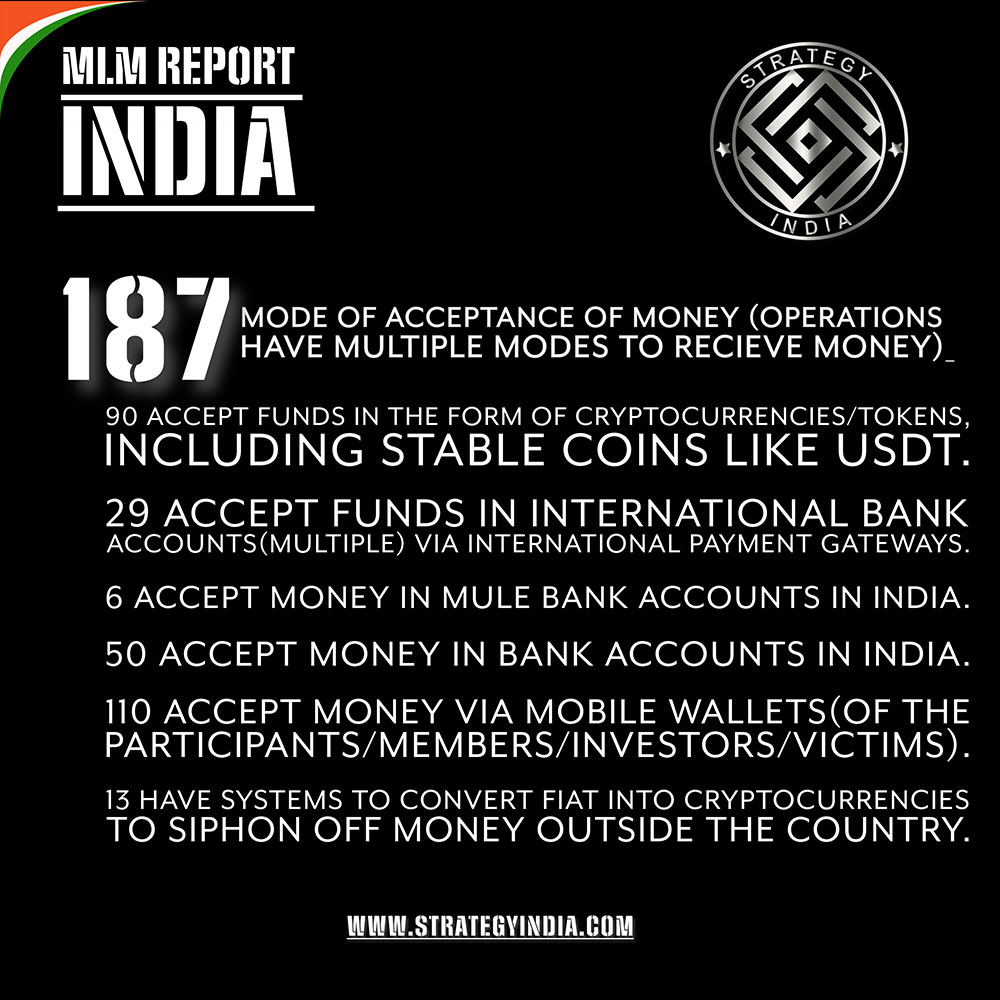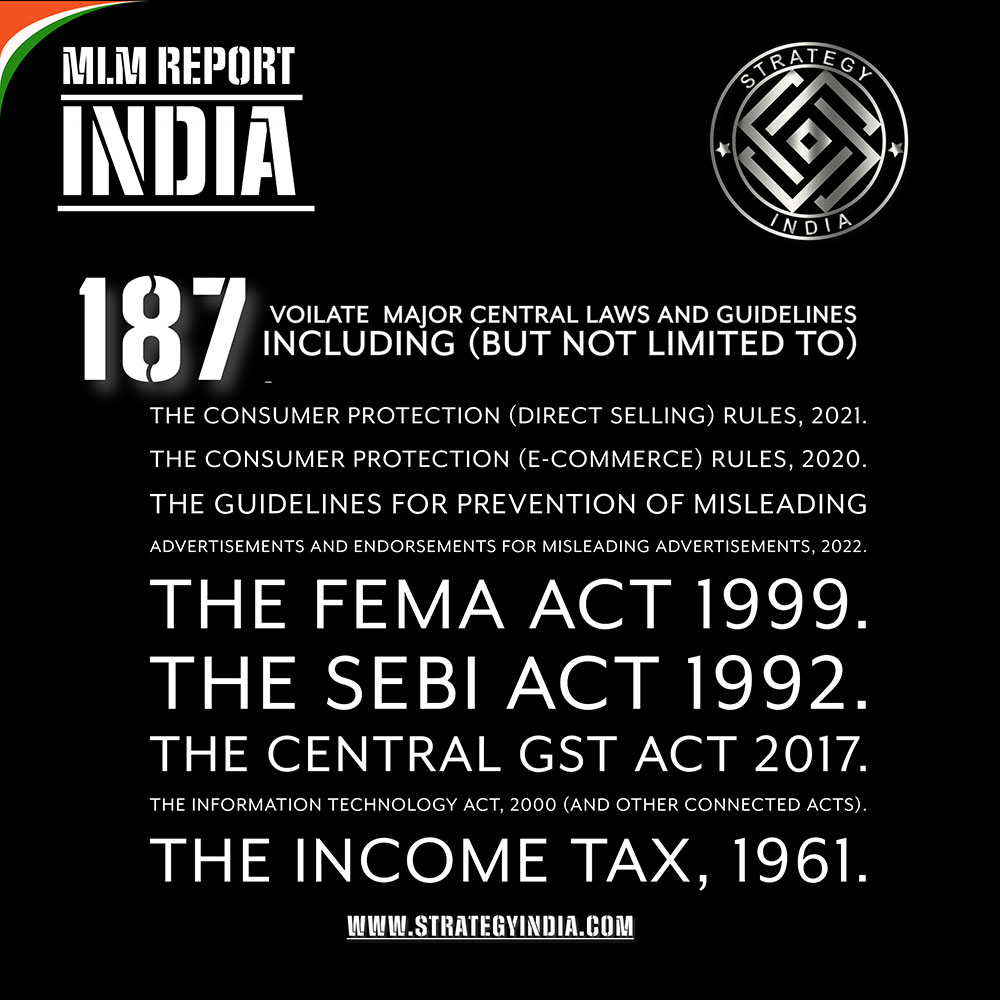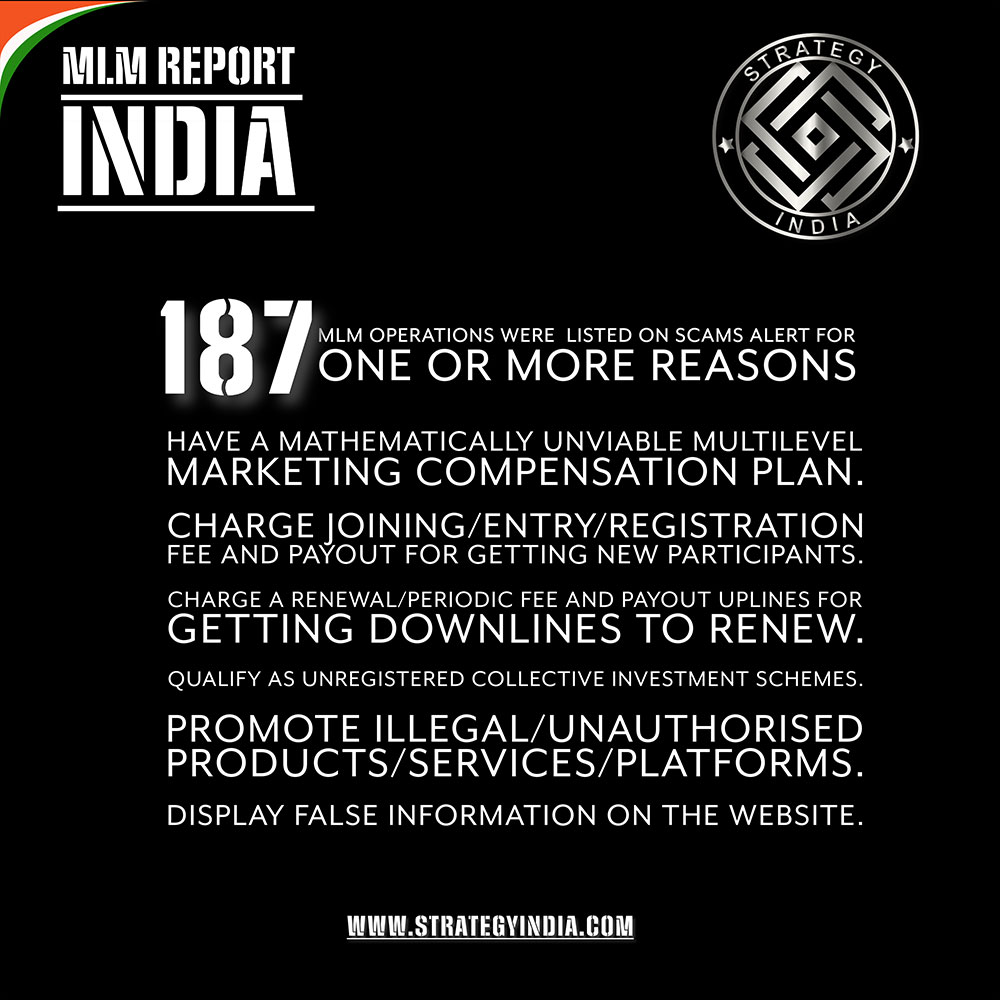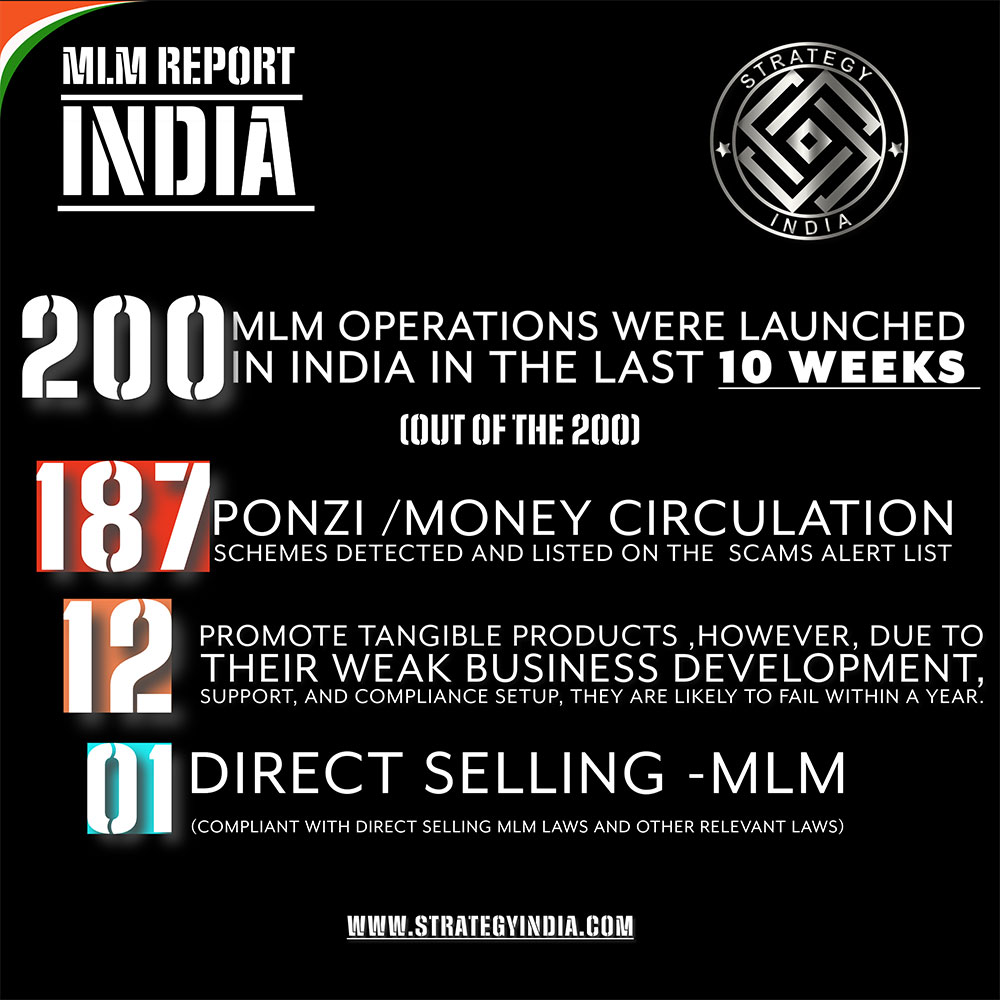
A Legal and Compliance Briefing from a Direct Selling and MLM Consulting Practice
"You know who you are"
The ones at the top smiling all the way to the bank. The ones at the bottom wondering what went wrong. And the ones in between the recruiters, the compliance officers, the investigators who need to know exactly how this machine works.
The Setup: A Story You've Heard Before
Someone contacts a friend, colleague, or family member with a polished pitch, convincing photos, and spectacular numbers. Phrases like "Anyone can do this" and "Work just 1–2 hours a day" are common.
What they don't tell you is buried in the fine print of documents most participants never read and deliberately designed to stay there.
This is not a fringe problem. The Federal Trade Commission reviewed 70 MLM income disclosure statements in 2024 and found that the vast majority of participants made $1,000 or less per year, less than $84 per month, and that figure doesn't even account for expenses. In at least 17 of those MLMs, most participants made nothing at all.
According to the Federal Trade Commission, less than 2 percent of consumers who participated in product-based pyramid schemes received more money than they paid in, and those who did earn money averaged under $250 per month, which falls far short of the promises of significant financial gain.
Let that sink in. You have a higher probability of profiting at a roulette wheel than in most MLM recruitment-driven structures.
The Anatomy of the Lie
Myth #1: "Anyone Can Do This"
If everyone could succeed, there would be no failures. Those who do profit typically joined early, earning from timing and hierarchy—not from effort.
An analysis of over 400 MLMs found that 99.7% of participants lost money. Geometric limits make broad success impossible: in a town of 10,000, no one can sell the same product. Market saturation is inevitable.
Myth #2: The Earnings Report Is Your Friend
Analysts should note: MLM 'income disclosure statements' are often misleading. The FTC found in 2024 that most overstate typical earnings.
- Exclude participants who made little or nothing, without clearly explaining that omission
- Ignore all expensesincurred by participants — monthly quotas, seminar fees, marketing materials
- Spotlight the top earnersto create a misleading impression of typical results
- Present averages for groupswith wildly different incomes, distorting the picture entirely
The result: an earnings document that technically contains true numbers, but constructs a profoundly false narrative. This is not accidental. A 2024 review by Truth In Advertising (TINA) found that 98% of 100 MLM companies investigated used atypical and unsubstantiated income claims to promote their business opportunity.
For law enforcement, compliance professionals, and retail regulators, this pattern constitutes a textbook case of deceptive marketing practices materially misleading representations that would trigger liability under consumer protection statutes in most jurisdictions. When such patterns are observed, compliance professionals should promptly document the evidence, initiate internal reviews, and escalate findings for legal analysis. Where there is a reasonable indication of consumer harm or regulatory breaches, formal investigations should be initiated, and the case referred to appropriate enforcement agencies if warranted. Immediate reporting of suspected violations and proactive communication with legal counsel strengthen protective measures for both consumers and organisations.
Myth #3: "It's Legal — The Authorities Would Have Shut Them Down"
This argument seems logical, but it is not.
MLM victims often don't report harm due to embarrassment, self-incrimination, or fear of social consequences from their uplines and downlines. Studies show that fraud victims’ shame and humiliation prevent reporting, similar to dynamics in other exploitation contexts.
For law enforcement reading this: the silence of victims is not evidence of consent or satisfaction. It is evidence of a compliance gap that organised, systematic deception deliberately exploits.
The Product Problem: Inventory Loading as a Business Model
Legitimate direct selling is straightforward: a retailer buys a product at wholesale, sells it at retail, and earns the margin.
The legal definition from India's IDSA is clear: direct selling is "marketing, distribution and sale of goods or providing of services... other than under a pyramid scheme".
The line is drawn at what drives the income: genuine product sales to end consumers or recruitment.
In product-based pyramid schemes, however, something critical is broken. Most "customers" for the product are the distributors themselves, purchasing inventory to hit monthly quotas rather than to serve genuine consumer demand. This practice, known as inventory loading, is explicitly illegal in several jurisdictions. Canada's Competition Act, for example, prohibits requiring participants to "buy a large amount of inventory that cannot be resold or used within a reasonable amount of time," with penalties of up to $200,000 per count and up to five years imprisonment on indictment.
When a direct seller/networker/distributor is pressured to buy product bundles to "qualify" for a rank, they are not building a retail business — they are funding the compensation cheques of the people above them. That is not commerce. That is extraction.
The product itself often compounds the problem. When pricing must account for commissions across multiple upline tiers, the product is structurally overpriced relative to comparable market alternatives. Participants are told to recruit others because the product cannot sustain itself in open-market competition. Pushing an overpriced product into personal relationships to service the financial needs of a recruitment structure is not direct selling; it is the monetisation of trust.
The Compliance Red Flags: A Field Reference
For compliance officers, retail regulators, and law enforcement, the following patterns consistently distinguish illegal pyramid structures from legitimate direct selling.
Key Red Flags:
- Emphasis on recruitment over genuine product sales to end consumers.
- Compensation is primarily driven by enrolling new participants rather than selling products.
- Inventory loading, where distributors are pressured to purchase more products than they can realistically sell.
- Earnings disclosures that highlight outlier success stories while obscuring typical participant outcomes.
- Lack of transparency about participant expenses and the chance of actual profitability.
- The majority of products are being consumed or purchased by participants themselves rather than by outside customers.
The FTC's updated 2024 Business Guidance makes clear that an MLM operates as a pyramid scheme when its "focus [is] in promoting the program rather than selling the products", citing FTC v. BurnLounge as controlling precedent. Any compensation structure in which recruitment drives income rather than genuine retail sales to end users fails this test.
The Enforcement Gap: Why Prosecution Lags Reality
The scale of harm is not small. FTC data shows consumers reported losing $12.5 billion to fraud in 2024, a 25% spike year-on-year, with investment and business opportunity fraud accounting for hundreds of millions of that figure. Yet MLM-related prosecutions remain disproportionately rare relative to the documented harm.
Three structural factors create this gap:
- Fraud victims are unlikely to report due to shame, embarrassment, and feelings of complicity from recruiting family or friends. Admitting loss means admitting deception, creating an effective legal shield for MLMs.
- Regulatory classification ambiguity.Because product-based pyramid schemes maintain the surface appearance of legitimate commerce — there are real products, real distributor agreements, real income disclosure statements they occupy a grey zone that demands more sophisticated analysis than straightforward fraud cases. The legal test is not "does a product exist?" but "is the compensation structure driven by recruitment or by genuine retail sales?"
- Deceptive disclosure design.The FTC's 2024 staff report found that MLM income disclosures are not merely incomplete; they are systematically structured to mislead. This means that even when participants seek information to make an informed decision, the information they receive is designed to obscure risk. Documented evidence of deliberate misleading disclosure should, in principle, support unfair and deceptive trade practice (UDTP) claims.
The Human Cost Behind the Numbers
Numbers tell part of the story. The rest is in the pattern.
A distributor is recruited. They buy product inventory to meet qualification thresholds. They attend paid seminars. They purchase marketing materials. They approach their social circle, family, friends, colleagues, because, as the recruiter honestly concedes, the product "sells better through personal connections" (which is code for: it cannot compete on the open market). They recruit two or three people, who repeat the cycle. Within 12–18 months, they quietly exit, embarrassed, indebted, and far less likely to trust the next genuine business opportunity that comes their way.
In 2023, MLM companies engaged over 102.9 million distributors globally, generating $167.7 billion in revenue. A US representative study found only 25% of participants made a profit, while 47% reported net financial losses. Those losses are not footnotes; they represent missed mortgage repayments, depleted savings, and strained relationships. The people who absorbed those losses subsidised the income of a very small group at the top.
What Genuine Direct Selling Looks Like
It is worth being precise: not every MLM is a pyramid scheme, and not every compensation structure is fraudulent. Legitimate direct selling exists, is legally recognised across jurisdictions, and offers a genuine income opportunity when structured correctly.
The distinguishing factor is always the same: does the business generate revenue primarily from retail sales to genuine end-consumers who want the product for its own merits, at a price competitive with the broader market? If yes, the structure may be legitimate. If the answer is that revenue flows primarily from participant purchases driven by qualification thresholds and recruitment incentives, that is a pyramid, regardless of what the product brochure says.
Direct Selling Associations in multiple jurisdictions maintain codes of ethics requiring transparency in earnings claims, fair buyback policies, and consumer-focused business practices. Companies genuinely committed to compliance welcome regulatory scrutiny. Those who deflect it, citing the absence of a shutdown as proof of legality, are using the enforcement gap as their marketing pitch.
The Final Word
The "wave of the future" rhetoric has been deployed continuously for over two decades. Yet direct selling via MLM compensation structures still accounts for a fraction of consumer retail purchases. That wave has not arrived, and for most participants, it never will.
The mathematics are non-negotiable. Pyramid geometry cannot produce universal winners. Every person who profits at the apex does so because a large number of people below subsidise that outcome. The system is not broken; it works exactly as designed. The question for retail professionals, compliance officers, and law enforcement is not whether this is happening. The data confirms that it is.
The question is what to do about it.
The FTC's 2024 Guidance and Staff Report provides the evidentiary foundation. What remains is the will to apply it consistently before another 102 million people find out the hard way.
Concrete next steps for compliance professionals:
- Review and update internal policies to reflect the latest standards on income disclosures and inventory-loading prohibitions.
- Implement staff training sessions focused on detecting deceptive earnings claims and recognising recruitment-driven structures.
- Establish clear protocols for documenting red flags and escalating potential violations for legal review.
- Create secure, anonymous channels for participant feedback or whistleblowing to better surface underreported harm.
- Regularly audit compensation plans to ensure revenues are driven by genuine retail sales rather than recruitment. (anyway, there are no fees or charges allowed for joining by law)
By taking these actions, compliance teams can move beyond passive awareness, actively safeguard consumers, and set a higher standard for ethical business conduct.
Sources referenced include the FTC's 2024 Staff Report on MLM Income Disclosures, FTC Business Guidance Concerning Multi-Level Marketing (April 2024), research by Jon Taylor Ph.D. submitted to the FTC, Canada's Competition Bureau guidance on pyramid selling, IDSA India's definitional framework, and peer-reviewed research published in the Journal of Consumer Affairs (2025).
References
- Federal Trade Commission, “What are multi-level marketing (MLM) disclosure statements really telling you?” Consumer Alert, 2 September 2024.
- Federal Trade Commission, “FTC staff report analyses 70 MLM income disclosure statements,” Business Blog, 3 September 2024.
- Federal Trade Commission, “FTC Staff Issue Report on Multi-Level Marketing Income Disclosures,” Press Release, 3 September 2024.
- Taylor, J. M., “MLM Profit and Loss Rates vs Income Options,” public comment submitted to the Federal Trade Commission, Washington, D.C.
- Pink Truth, “Proof that 99% lose money in MLM,” 22 March 2024.
- Taylor, J. M., “Summary of Findings: Multi-level Marketing (Analysis of over 400 MLMs),” 20 February 2012.
- Direct Selling Education Foundation, “Breaking Down the FTC’s Updated Business Guidance Concerning Multi-Level Marketing and Income Disclosure Statements,” 7 January 2025.
- Talented Ladies Club, “Five ways MLM income disclosure statements reveal less than they should,” 29 September 2024.
- Office of the Attorney General, State of California, “Pyramid Schemes / Multi-Level Marketing,” Consumer Information page.
- ThreatMark, “Why Underreporting Holds Back Fraud Prevention,” 8 January 2026.
- Connections for Abused Women and their Children (CAWC), “Stigma and Domestic Violence,” 26 February 2023.
- “Pyramid Schemes vs Direct Selling: Understanding the Legal Distinction in India,”
- Indian Direct Selling Association (IDSA), “Differences Between Direct Selling & Pyramid Schemes,” IDSA guidance note.
- Competition Bureau Canada, “Multi-level marketing and pyramid selling,” Government of Canada, 14 October 2024.
- Groß, C., and Vriens, D., “Buy! Buy! Buy!—How Multilevel Marketing Companies Pressure Their Participants to Buy Their Products,” Journal of Consumer Affairs, 2025.
- Acume, “How Multilevel Marketing Companies Pressure Their Participants to Buy Their Products,” research summary of Groß & Vriens (2025).
- Legal Reader, “The Legal Line: Direct Selling vs Pyramid Scheme Operations,” 13 May 2025.
- Federal Trade Commission, “Business Guidance Concerning Multi-Level Marketing,” revised April 2024.
- Federal Trade Commission, “New FTC Data Show a Big Jump in Reported Losses to Fraud,” data brief.
- Federal Trade Commission, “Multi-Level Marketing Businesses and Pyramid Schemes,” Consumer Article, updated 24 July 2022.
- Direct Selling Association (USA), “Laws Must Clearly Differentiate Between Pyramid Schemes and Legitimate Direct Selling,” position paper.
For lawful direct selling MLM enterprises, these red flags are not just theoretical. They directly affect licensing risk, enforcement exposure, and brand reputation. Strategy India provides direct selling consulting and MLM compliance advisory services, including compensation plan review, regulatory risk assessments, and law‑enforcement–ready documentation.